
Slab Foundation vs Pier and Beam: 4 Practical Checks
Cable Lock • Louisiana homeowner guide
Choosing and Maintaining Foundation Systems
Slab foundation vs pier and beam is a comparison of support systems, access, and maintenance needs. Neither foundation type is automatically better for every Louisiana property.
This guide explains slab foundation vs pier and beam in practical terms: what to observe, what to ask, and how to plan the next step with a qualified foundation professional.
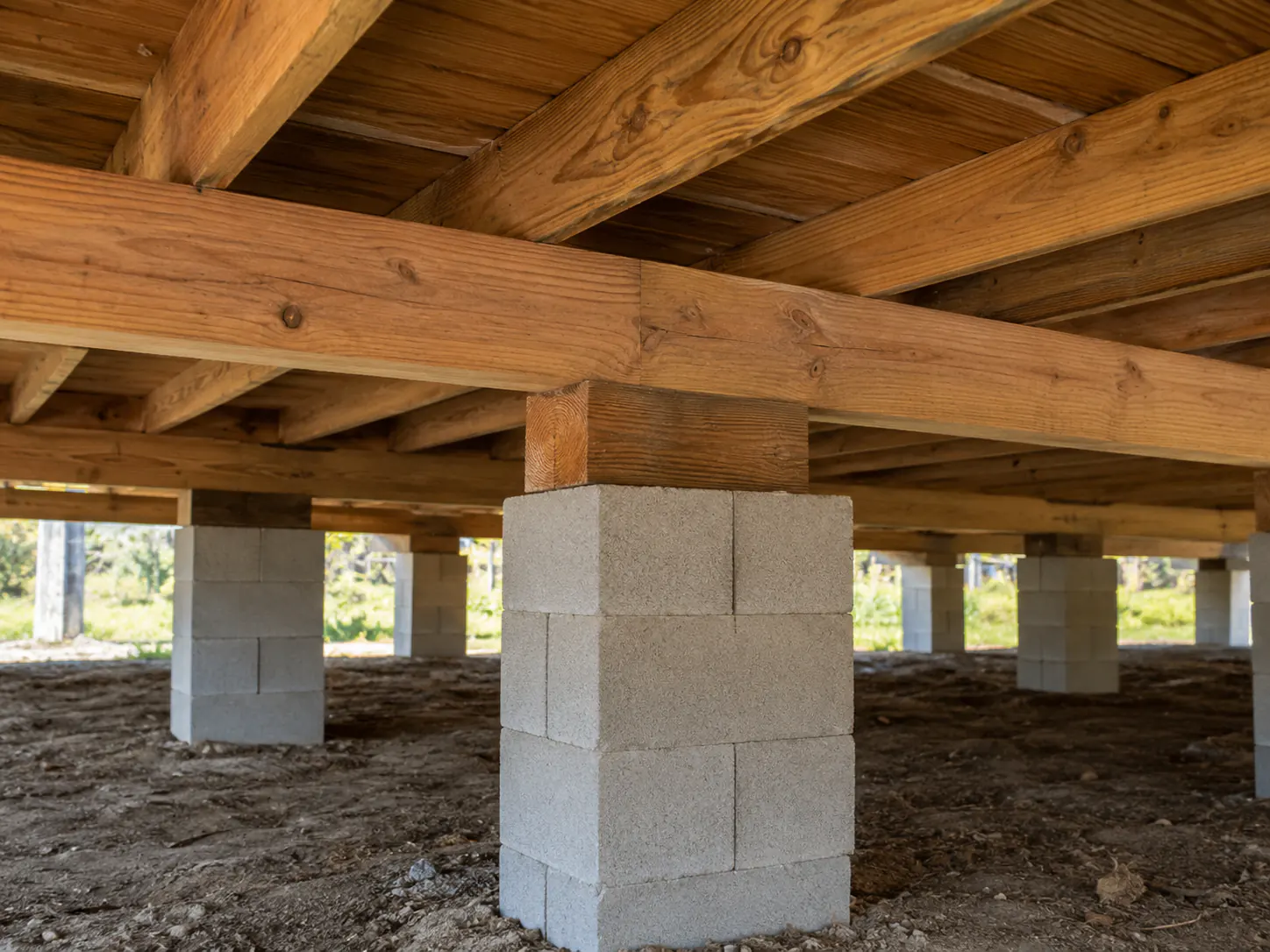
Slabs rest on a prepared base; raised homes use piers and beams.
Both systems can develop uneven support.
Design, drainage, and condition matter more than the label.
Table of Contents
Slab Foundation vs Pier and Beam: What Matters Most
How the Two Systems Carry the Home
In a slab foundation vs pier and beam comparison, the main distinction is the support arrangement. A slab places the building on a concrete foundation supported by its designed base, while a raised system transfers loads through framing to piers or other supports. Neither arrangement is automatically immune to soil movement or water problems. Design, construction, site drainage, and maintenance matter. For an existing home, the condition of the actual system is more useful than a general claim that one type is always better.
Compare Access and Maintenance
Raised homes may provide access to framing and utilities, but that space needs safe access and moisture management. Slab homes have different access constraints for some plumbing and support repairs. A slab foundation vs pier and beam decision should account for those practical differences, including how repairs can be performed and what components need periodic attention. Four useful comparison checks are site conditions, structural condition, utility access, and maintenance needs. An evaluator should explain those checks for the property rather than quote a universal lifespan.
Consider Flood Design Separately
Elevation can be part of a flood-resistant design, but a raised home is not automatically compliant or protected from flooding. The required elevation, anchorage, flood openings, and materials depend on the site and applicable requirements. Both slab and raised systems can settle when support conditions change. If building, converting, or substantially altering a home, involve the appropriate design professionals and permitting authority. For repair decisions, ask how the proposed work fits the existing foundation and whether related moisture, plumbing, or framing issues also need attention.
A Practical Homeowner Checklist
- Make a dated record. Photograph the concern from a repeatable position. Note when you first noticed it, whether it changes, and any recent storm, leak, renovation, or repair. Include enough of the surrounding area to show its location.
- Observe accessible areas. Check doors, floors, exterior masonry, roof drainage, and visible supports from a safe position. Do not enter standing water or adjust load-bearing components to investigate.
- Collect the history. Bring earlier inspection reports, repair drawings, warranty documents, and plumbing records. Previous work can change what needs to be evaluated and what the next contractor should know.
- Ask for a written explanation. A useful assessment connects the observed symptoms to a likely cause, identifies uncertainty, and explains whether monitoring, maintenance, further investigation, or structural work is appropriate.
When planning the next step, compare recommendations by their scope rather than by a headline price. Ask which areas are included, how access will be handled, what related work is excluded, and what measurements or observations will document the result. A clear plan makes estimates easier to compare.
Learn about Cable Lock’s related foundation service or review Cable Lock’s estimate process before choosing a repair.
Common Questions About Slab Foundation vs Pier and Beam
Is a raised foundation always better than a slab?
No. Suitability depends on the site, design, construction, flood requirements, and maintenance. For an existing home, evaluate the condition of its actual support system rather than assume one type is universally superior.
What should I ask before approving the work?
Ask about the cause, the proposed method, the areas covered, realistic correction limits, access, permits where applicable, exclusions, and cleanup. Request the warranty in writing and check its conditions, covered components, and transfer requirements. Avoid assuming every finish or plumbing repair is included.
When should I request an evaluation?
Arrange an evaluation when changes are new, recurring, or progressing, or when several symptoms appear together. If there is sudden major movement, a damaged utility, or unstable structural support, keep clear of the affected area and contact the appropriate qualified professional promptly.
Request an Evaluation
A clear next step
Get Answers About Your Home.
Bring your questions about slab foundation vs pier and beam to Cable Lock. We can assess the visible conditions, discuss the appropriate service, and explain the recommended scope before you decide.
Request a free estimateExplore this service