
Moisture Control: 5 Priorities for Pier and Beam Homes
Cable Lock • Louisiana homeowner guide
Moisture Beneath Raised Homes
Moisture control for a pier and beam home starts by identifying where water is coming from. Drainage, plumbing, ground moisture, and outdoor humidity need different responses.
This guide explains moisture control in practical terms: what to observe, what to ask, and how to plan the next step with a qualified foundation professional.
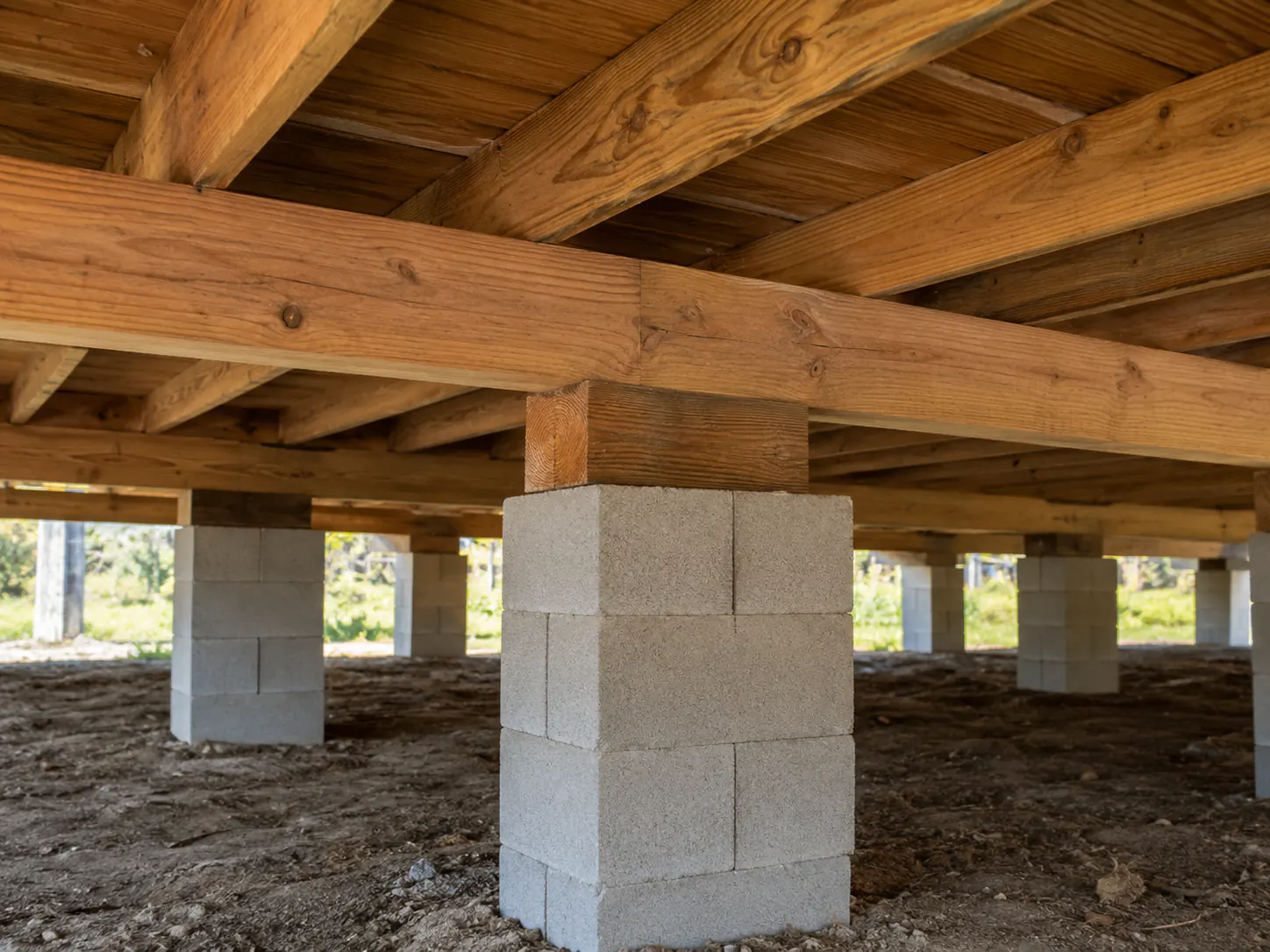
Solve bulk-water problems before sealing the crawl space.
Repair damaged wood rather than covering it.
Preserve flood openings and check local requirements.
Table of Contents
Moisture Control: What Matters Most
Identify the Form and Source of Moisture
Moisture control beneath a raised home begins with identifying whether the concern is bulk water, a plumbing leak, ground moisture, condensation, or a flood event. Those conditions can need different responses. Look for recurring wet areas and ask an evaluator to assess affected wood and supports once access is safe. Do not assume that more ventilation, a ground cover, or encapsulation will fix every moisture problem. The source and the condition of the materials should guide the plan.
Use Five Priorities in the Right Order
Five moisture control priorities are directing roof runoff appropriately, repairing leaks, addressing recurring bulk water, evaluating damaged framing or supports, and choosing an enclosure strategy that fits the site. Water management and structural repairs may need coordination. A cover does not replace drainage, and a surface treatment does not restore deteriorated load-bearing wood. Ask which trade will handle each part of the work and whether any inspection, pest assessment, or design input is needed before materials are covered.
Respect Flood Openings and Drying Needs
Where flood openings are required, they relieve floodwater pressure and must not be treated as ordinary air vents to seal. Moisture control changes in a flood-prone enclosure should be checked against the applicable flood design and requirements. Avoid covering materials in a way that traps moisture without a suitable drying plan. After work is completed, observe accessible conditions following rain and keep a record of whether water or dampness returns. Follow-up should test whether the source was addressed rather than rely on appearance alone.
A Practical Homeowner Checklist
- Make a dated record. Photograph the concern from a repeatable position. Note when you first noticed it, whether it changes, and any recent storm, leak, renovation, or repair. Include enough of the surrounding area to show its location.
- Observe accessible areas. Check doors, floors, exterior masonry, roof drainage, and visible supports from a safe position. Do not enter standing water or adjust load-bearing components to investigate.
- Collect the history. Bring earlier inspection reports, repair drawings, warranty documents, and plumbing records. Previous work can change what needs to be evaluated and what the next contractor should know.
- Ask for a written explanation. A useful assessment connects the observed symptoms to a likely cause, identifies uncertainty, and explains whether monitoring, maintenance, further investigation, or structural work is appropriate.
When planning the next step, compare recommendations by their scope rather than by a headline price. Ask which areas are included, how access will be handled, what related work is excluded, and what measurements or observations will document the result. A clear plan makes estimates easier to compare.
Learn about Cable Lock’s related foundation service or review Cable Lock’s estimate process before choosing a repair.
Common Questions About Moisture Control
Should all crawl space vents be sealed to control moisture?
No. The enclosure needs a site-specific assessment, and required flood openings have a pressure-relief role. Address water sources and drying needs before changing the enclosure or covering materials.
What should I ask before approving the work?
Ask about the cause, the proposed method, the areas covered, realistic correction limits, access, permits where applicable, exclusions, and cleanup. Request the warranty in writing and check its conditions, covered components, and transfer requirements. Avoid assuming every finish or plumbing repair is included.
When should I request an evaluation?
Arrange an evaluation when changes are new, recurring, or progressing, or when several symptoms appear together. If there is sudden major movement, a damaged utility, or unstable structural support, keep clear of the affected area and contact the appropriate qualified professional promptly.
Request an Evaluation
A clear next step
Get Answers About Your Home.
Bring your questions about moisture control to Cable Lock. We can assess the visible conditions, discuss the appropriate service, and explain the recommended scope before you decide.
Request a free estimateExplore this service