
7 Causes of Foundation Problems: A Practical Guide
Cable Lock • Louisiana homeowner guide
Finding the Cause Beneath the Symptoms
Causes of foundation problems include changing soil support, drainage, leaks, fill settlement, and structural deterioration. More than one factor may be involved, so repair starts with identifying the pattern and cause.
This guide explains causes of foundation problems in practical terms: what to observe, what to ask, and how to plan the next step with a qualified foundation professional.
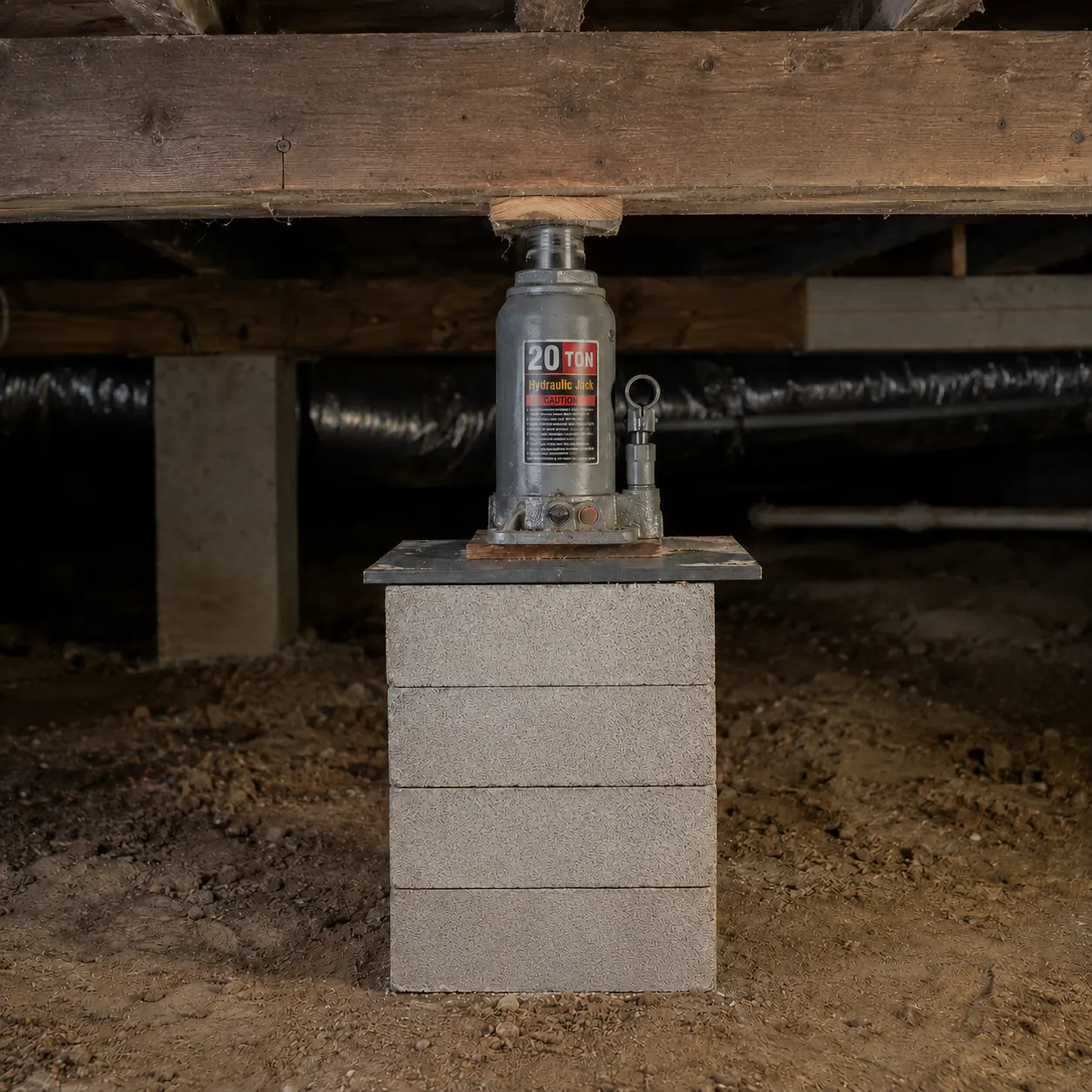
Foundation symptoms can have overlapping causes.
Water management and structural support need separate attention.
A written evaluation helps prioritize the next steps.
Table of Contents
Causes of Foundation Problems: What Matters Most
Soil Movement and Uneven Support
The causes of foundation problems often overlap. Some clay soils change volume as their moisture changes, while loose fill can settle under a load. Neither a Louisiana address nor a visible soil gap tells you what is happening beneath a particular house. Sandy soils can support buildings when properly designed and prepared; they are not automatically inadequate. Soil type, compaction, drainage, loading, and the depth of support all matter. An evaluation should relate the pattern of movement to the actual support system rather than assume every crack comes from expansive clay.
Water, Plumbing, and Drainage
Roof runoff, ponding, erosion, and a buried plumbing leak can create uneven conditions around the home. Look for where water travels after rain and where it remains. Keep gutters clear and have suspected leaks checked by a qualified plumber. A drain is useful only when it has a suitable outlet and addresses the source of water. Water pressure against an enclosed foundation wall is different from settlement beneath a slab or pier. These causes of foundation problems require different responses, so a generic recommendation to install a French drain is not a complete diagnosis.
Trees, Construction History, and Added Loads
Trees may affect nearby soil moisture, and roots can lift shallow paving or interact with structures. Their presence alone does not prove they caused foundation movement. Root cutting can harm a tree or reduce its stability, so coordinate root decisions with an arborist. Construction history also matters: poorly compacted fill, unsuitable support details, deteriorated raised-home framing, and added building loads deserve attention. Gather records of additions and previous repairs. Understanding the causes of foundation problems helps separate a structural support issue from a finish defect, a plumbing issue, or an isolated pavement crack.
What an Evaluation Should Distinguish
A good evaluation of the causes of foundation problems separates stabilization from cosmetic repair. A wall crack may need a finish repair after movement is addressed, while a leak may need plumbing work before the support plan can be finalized. For a raised home, the condition of the beams, joists, piers, and connections can be just as important as the soil. For a slab home, elevations and the pattern of distress help establish where movement may be occurring. Ask how the proposed work responds to that pattern and what additional investigation is needed.
Plan the Repair Sequence
Repair order matters. If a water source is still active, repairing a finish or adding a support alone may leave part of the problem unresolved. Ask who will handle plumbing, drainage, structural work, and later cosmetic repairs, and whether those services are included in the estimate. Keep photographs and the final scope together with the warranty. After the work, continue checking the same locations rather than judging the result by a single door or crack. A documented baseline helps you distinguish an old symptom from a new change and gives the contractor useful information if a follow-up is needed.
A Practical Homeowner Checklist
- Make a dated record. Photograph the concern from a repeatable position. Note when you first noticed it, whether it changes, and any recent storm, leak, renovation, or repair. Include enough of the surrounding area to show its location.
- Observe accessible areas. Check doors, floors, exterior masonry, roof drainage, and visible supports from a safe position. Do not enter standing water or adjust load-bearing components to investigate.
- Collect the history. Bring earlier inspection reports, repair drawings, warranty documents, and plumbing records. Previous work can change what needs to be evaluated and what the next contractor should know.
- Ask for a written explanation. A useful assessment connects the observed symptoms to a likely cause, identifies uncertainty, and explains whether monitoring, maintenance, further investigation, or structural work is appropriate.
When planning the next step, compare recommendations by their scope rather than by a headline price. Ask which areas are included, how access will be handled, what related work is excluded, and what measurements or observations will document the result. A clear plan makes estimates easier to compare.
Learn about Cable Lock’s related foundation service or review Cable Lock’s estimate process before choosing a repair.
Common Questions About Causes of Foundation Problems
Does one visible symptom prove a foundation needs repair?
No. Cracks, sticking doors, moisture, and uneven floors can have more than one cause. A pattern of new or progressing changes is more useful than an isolated observation. Ask an evaluator to explain the evidence and the limits of the assessment.
What should I ask before approving the work?
Ask about the cause, the proposed method, the areas covered, realistic correction limits, access, permits where applicable, exclusions, and cleanup. Request the warranty in writing and check its conditions, covered components, and transfer requirements. Avoid assuming every finish or plumbing repair is included.
When should I request an evaluation?
Arrange an evaluation when changes are new, recurring, or progressing, or when several symptoms appear together. If there is sudden major movement, a damaged utility, or unstable structural support, keep clear of the affected area and contact the appropriate qualified professional promptly.
Request an Evaluation
A clear next step
Get Answers About Your Home.
Bring your questions about causes of foundation problems to Cable Lock. We can assess the visible conditions, discuss the appropriate service, and explain the recommended scope before you decide.
Request a free estimateExplore this service