
Cracks in Walls: 5 Signs Worth Checking
Cable Lock • Louisiana homeowner guide
Understanding Wall Cracks
Cracks in walls can result from finish movement, moisture, or changes in structural support. Pattern, location, growth, and other symptoms are more useful than any one crack-width rule.
This guide explains cracks in walls in practical terms: what to observe, what to ask, and how to plan the next step with a qualified foundation professional.
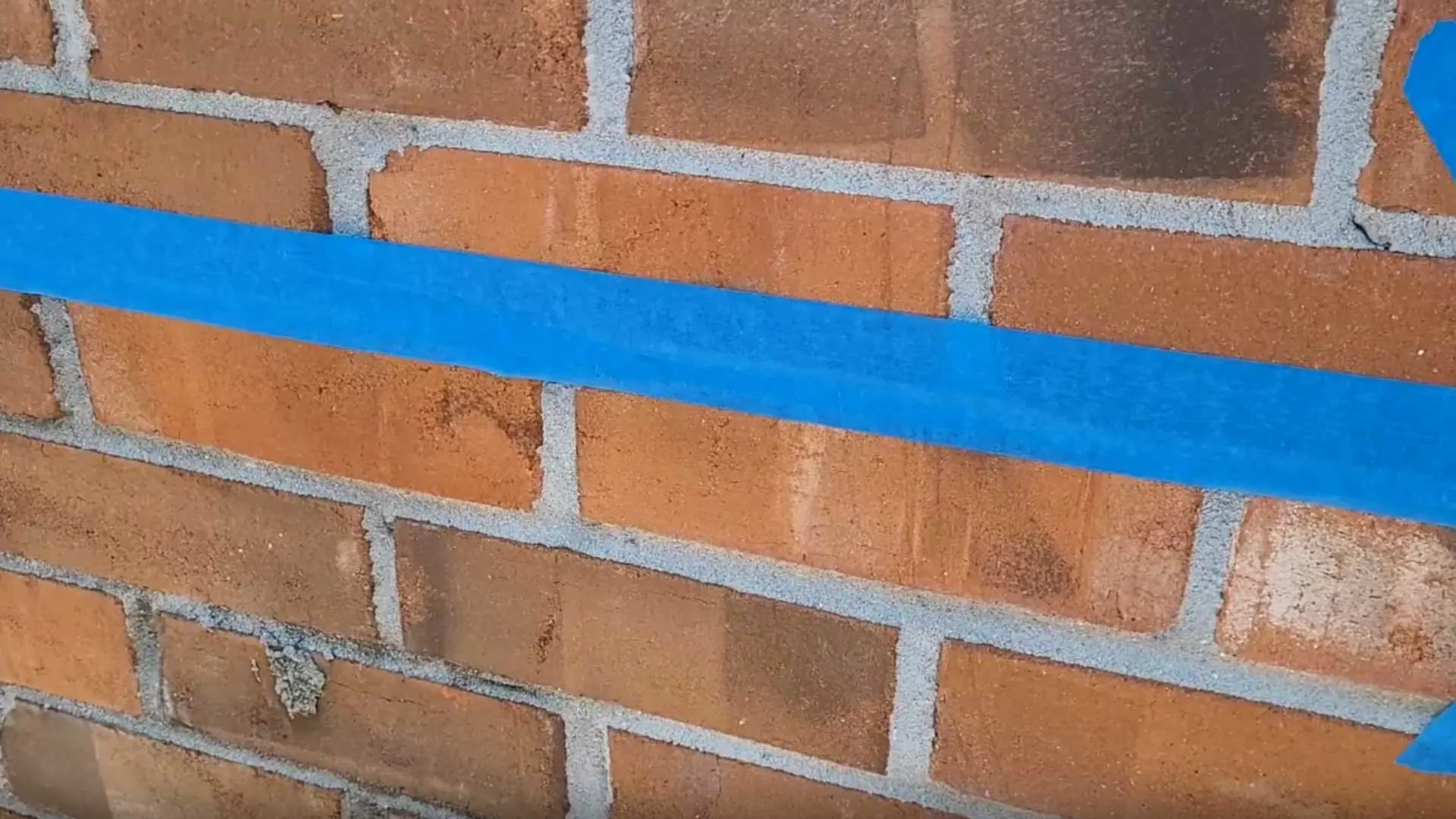
Photograph the same location with a ruler and date.
Repeated or widening cracks deserve attention.
A crack is a clue, not a complete diagnosis.
Table of Contents
Cracks in Walls: What Matters Most
Crack Appearance Is Only Part of the Story
Cracks in walls can result from finish shrinkage, moisture changes, framing movement, or foundation movement. Their location, shape, age, and progression are more informative than one width rule. Photograph the crack with a ruler for scale, record the date, and include a wider view of the wall. Do not assume a hairline crack is harmless or a larger crack proves settlement. An evaluator should interpret it with the surrounding structure and other symptoms.
Look for Five Related Observations
Five observations worth recording alongside cracks in walls are whether the crack is widening, whether similar cracks appear nearby, whether doors or windows have newly begun binding, whether floor slope has changed, and whether exterior masonry shows related distress. Several changes together can justify a closer evaluation. A single sticking door may have other causes. Note the timing of storms, leaks, remodeling, or prior repairs so the contractor can assess the pattern rather than rely on one photograph.
Repair the Finish After Understanding Movement
Filling or painting cracks in walls may improve appearance, but it does not stabilize a moving support. If repairs reopen, keep the earlier photographs and dates rather than repeatedly covering the evidence. Ask whether the cause needs further investigation, whether a structural repair is recommended, and when cosmetic work should occur. Sudden major distortion, unstable components, or damaged utilities call for prompt attention from the appropriate professional. The goal is a proportionate response grounded in the condition of the house.
A Practical Homeowner Checklist
- Make a dated record. Photograph the concern from a repeatable position. Note when you first noticed it, whether it changes, and any recent storm, leak, renovation, or repair. Include enough of the surrounding area to show its location.
- Observe accessible areas. Check doors, floors, exterior masonry, roof drainage, and visible supports from a safe position. Do not enter standing water or adjust load-bearing components to investigate.
- Collect the history. Bring earlier inspection reports, repair drawings, warranty documents, and plumbing records. Previous work can change what needs to be evaluated and what the next contractor should know.
- Ask for a written explanation. A useful assessment connects the observed symptoms to a likely cause, identifies uncertainty, and explains whether monitoring, maintenance, further investigation, or structural work is appropriate.
When planning the next step, compare recommendations by their scope rather than by a headline price. Ask which areas are included, how access will be handled, what related work is excluded, and what measurements or observations will document the result. A clear plan makes estimates easier to compare.
Learn about Cable Lock’s related foundation service or review Cable Lock’s estimate process before choosing a repair.
Common Questions About Cracks in Walls
Does crack width alone tell me whether a wall is safe?
No. Location, progression, shape, and related symptoms matter. Record photographs with dates and scale, and have new or progressing patterns assessed rather than rely on one width threshold.
What should I ask before approving the work?
Ask about the cause, the proposed method, the areas covered, realistic correction limits, access, permits where applicable, exclusions, and cleanup. Request the warranty in writing and check its conditions, covered components, and transfer requirements. Avoid assuming every finish or plumbing repair is included.
When should I request an evaluation?
Arrange an evaluation when changes are new, recurring, or progressing, or when several symptoms appear together. If there is sudden major movement, a damaged utility, or unstable structural support, keep clear of the affected area and contact the appropriate qualified professional promptly.
Request an Evaluation
A clear next step
Get Answers About Your Home.
Bring your questions about cracks in walls to Cable Lock. We can assess the visible conditions, discuss the appropriate service, and explain the recommended scope before you decide.
Request a free estimateExplore this service